
Florence Jeannot, INSEEC Grande École; Eline Jongmans, Université Grenoble Alpes (UGA); Marielle Salvador; Mariem El Euch Maalej, PSB Paris School of Business and Maud Dampérat, Lumière Lyon 2 University
For the first time since the creation of “Top Chef,” M6’s flagship show, the menu from the winners of the 2022 “Restaurant War” challenge is available for home delivery on the Uber Eats platform. Driven in part by the pandemic, the culinary world has had to innovate by developing takeout and home delivery services, which had previously been the exclusive domain of fast-food restaurants.
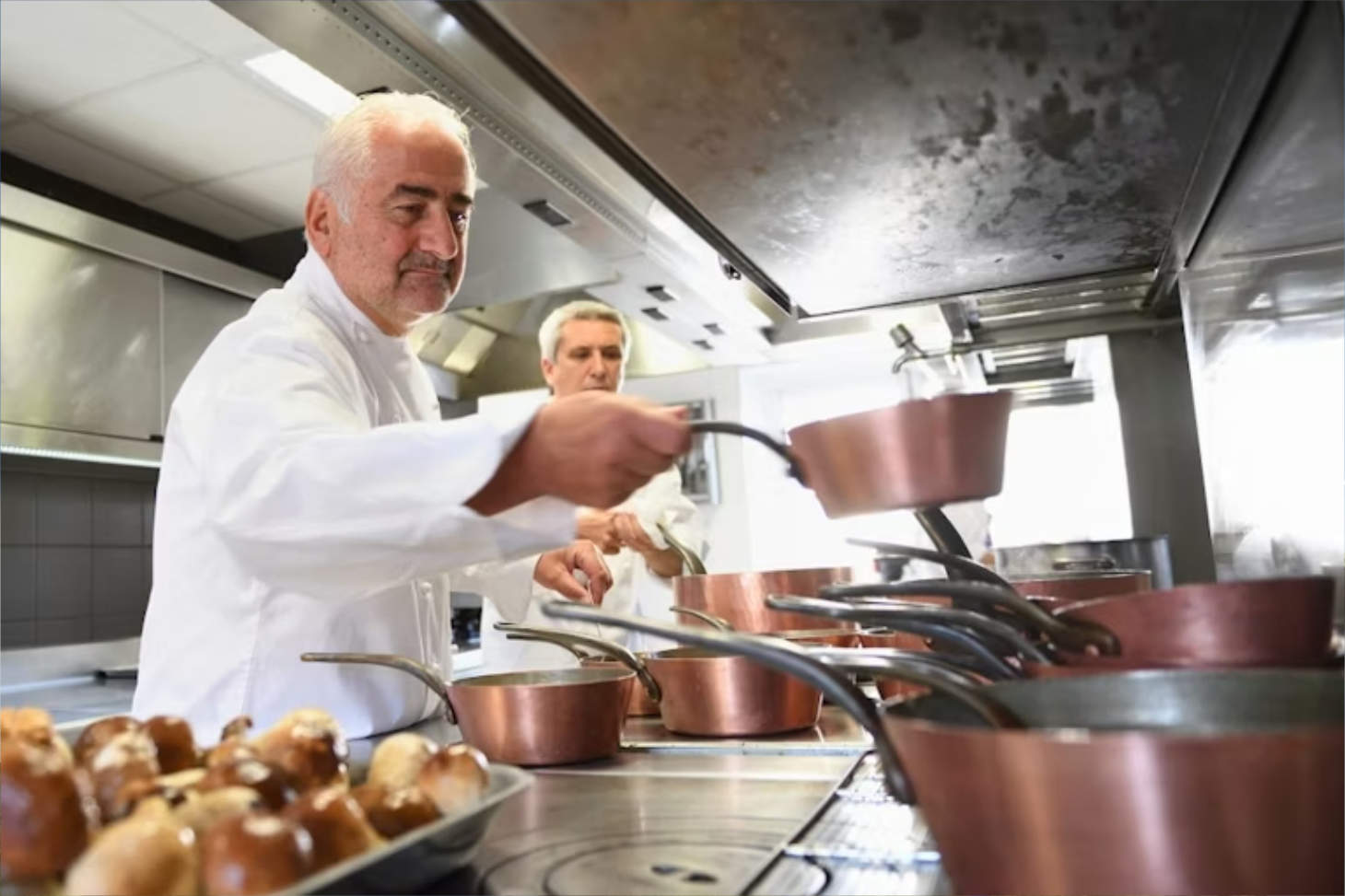
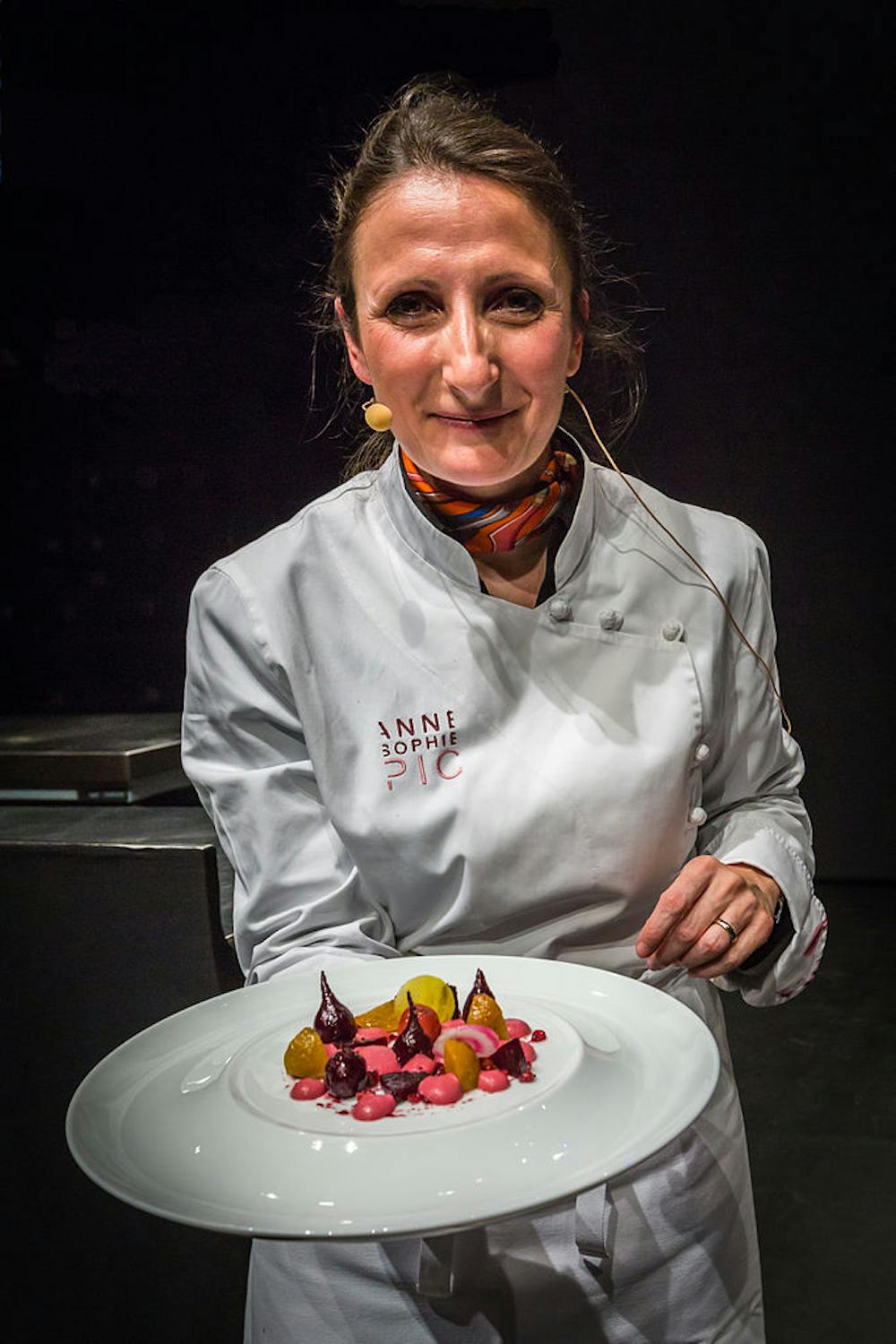
Three-Michelin-starred chefs such as Guy Savoy, Alain Ducasse, and Anne-Sophie Pic have begun digitizing their offerings, providing gourmet and bistronomic dishes online for home delivery. Last December, the following was reported on TF1’s 8 p.m. newscast:
“Many French people have decided to spend New Year’s Eve at home, but that doesn’t mean they can’t treat themselves. Some restaurants and caterers have picked up on this. Since the lockdown, they’ve been delivering ready-to-serve dinners—sometimes even gourmet meals.”
However, designing these devices remains particularly challenging for haute cuisine, which is known for its caution regarding the use of technology and for the importance it places on tradition and heritage.
Our research, conducted among industry professionals and consumers, shows, however, that there is a real opportunity for growth here—provided we focus our efforts in the right areas.
"Losing control"?
An initial qualitative study, conducted among 15 restaurant chefs and experts in haute cuisine, gave us a better understanding of the concept of the digital dining experience. Five stages of the customer journey are associated with it: online ordering, click-and-collect, unpacking the package, reheating, and, finally, the tasting experience.

Faced with this unique experience, the chefs and experts interviewed expressed their fears of a “loss of control.” The dining experience in a restaurant begins, in fact, with exploring the menu—which invites discussion with the waitstaff—is followed by waiting for the dishes, tasting them in the order chosen by the chef, and ends with paying the bill. In the case of a digital dining experience, the payment stage takes place before the meal, which suggests a greater risk for customers ordering online. Julien Guèze, pastry chef at Pierre Gagnaire, puts it this way:
“We like getting to know people; we adapt to what they like. And using a platform goes against that, because we have less direct contact with customers.”
Respondents also shared their views on four fundamental dimensions of the digital dining experience:informativeness, which encompasses the functional information consumers obtain throughout the journey; entertainment, which refers to the immediate pleasure derived from the experience; social presence, which refers to the warmth and sociability felt during the experience; and sensory aspects, which relate to the aesthetic qualities of the stimuli involved in the experience.
Why go to all that trouble?
These factors were also assessed quantitatively among 217 French gourmet diners. To do so, we created a fictional website for ordering a gourmet meal online.
The study confirms the positive influence of verbal and, above all, visual elements on a website on the evaluation of the digital dining experience. Consumers believe that this type of experience should elicit cognitive (related to the website’s informational content), affective (particularly entertainment), social, and sensory responses.
More unexpectedly, the results indicate that impressions are positively influenced by the reheating and tasting stages of the meals, but are negatively influenced by online ordering. Another surprising finding is that, although the chefs and experts interviewed in the qualitative study stated that they go to great lengths to make the moment of unboxing the package extraordinary, consumers seem to pay little attention to this aspect. In short, their attention seems to be focused more on the difficulties associated with ordering online.
The chef, and only the chef
In recent years, chefs have recognized the value of using social media to attract customers and build relationships that foster loyalty. Delivery services have emerged as an additional way to diversify their customer base. Our research shows that digital platforms enable casual diners to become familiar with certain aspects of fine dining. This, in turn, encourages them to decide to enjoy a fine-dining experience at a restaurant.
This service ultimately seems to meet the postmodern individual’s desire for immediacy and simplicity. But that assumes that navigating the online ordering site is a pleasant experience. Chefs must realize that it’s not just about offering a delivery service; they need to think of the digital experience as a fully integrated gastronomic experience.
Chefs seem to need to showcase their dishes as works of art and express their values through visual and verbal elements—the influence of which our research has demonstrated. We even suggest including videos at every stage of the customer journey. And the choice of content should not be left to web designers, because only the chef is capable of conveying to his or her customers the dining experience he or she wishes to offer them.

Florence Jeannot, Associate Professor of Marketing, INSEEC Grande École; Eline Jongmans, Assistant Professor of Marketing, Université Grenoble Alpes (UGA); Marielle Salvador, Research Professor, Consumer Behavior, Food Marketing; Mariem El Euch Maalej, Associate Professor of Marketing, PSB Paris School of Business and Maud Dampérat, Professor, Lumière Lyon 2 University
This article is republished from The Conversation under a Creative Commons license. Read the original article.