
François Delorme, Université Grenoble Alpes (UGA)
What would people think if, in the end, the successor to the iconic CEO turned out to be an unknown figure from within one of the companies that make up the alliance’s network? What if he were elected—not alone, but with advisors—for a limited term? And what if, at the end of that term, he returned to being just another member of the organization?
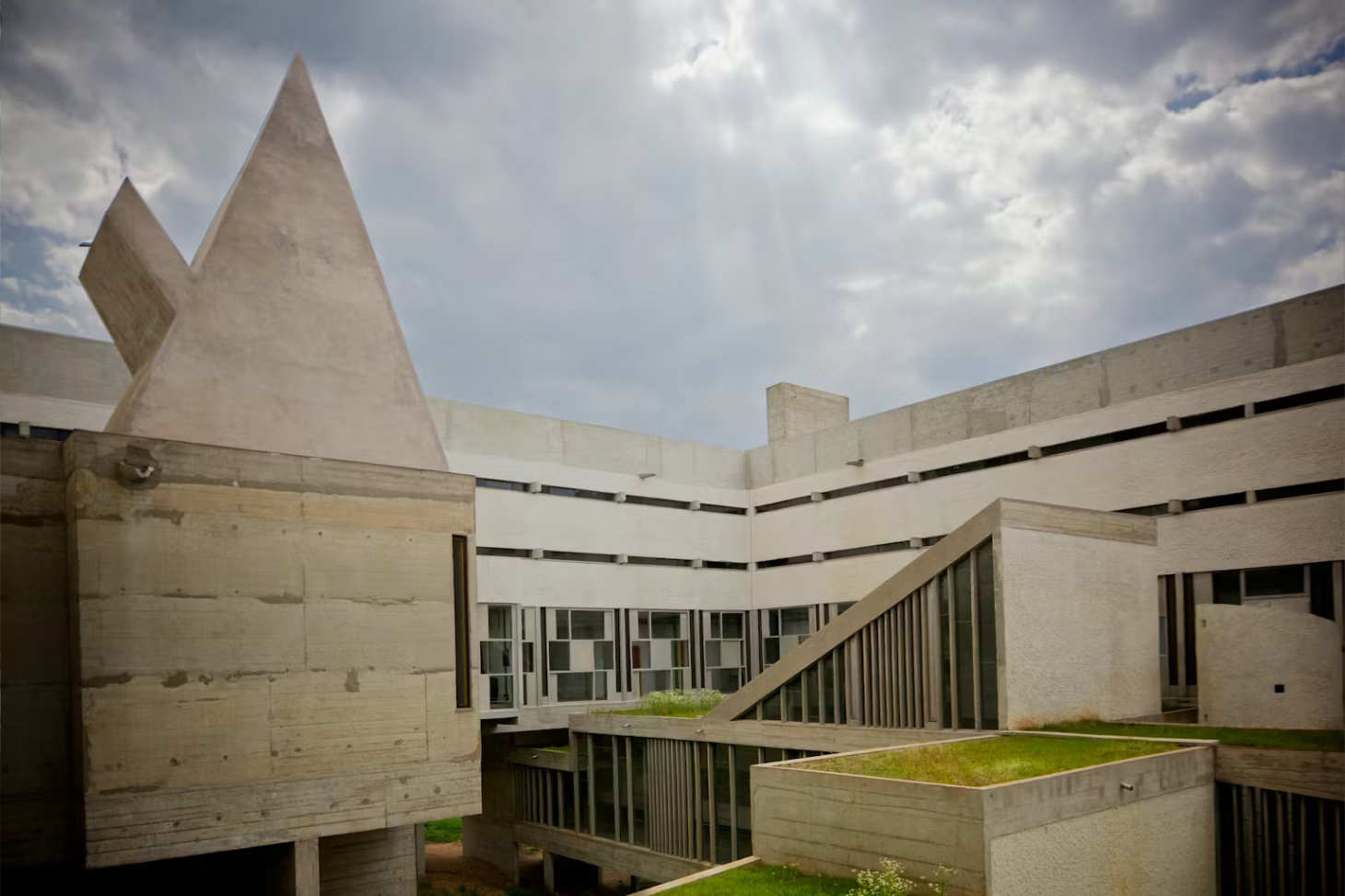
These questions came to mind as I interviewed the prior of a Dominican monastery, just as the provincial chapter (a democratic body) was about to elect its leader. Indeed, this democratic governance is not a work of fiction, but a reality within a religious organization that has operated in this manner for centuries. This takes us back to the Middle Ages, which, as Pierre-Yves Gomez points out, was far more democratically advanced than its image suggests. As Leo Moulin points out, it is important to note that the Magna Carta, signed in 1215—the precursor to a parliamentary system—was created at a time when the Cistercian Order had already been operating for a century based on elected assemblies.
The Dominican Order's Multinational Corporation
Within the world of religious orders, the Dominicans are distinguished by a unique way of operating that has prevailed for 800 years and takes the form of principles of “governance.” How might this organization—which has neither shareholders nor clients and lives in poverty—enrich corporate governance?
First, the Dominicans have 60,000 members around the globe: as such, it is, after all, a sizeable multinational organization. What sets it apart (as is true of religious orders in general) is its age. From its inception, it has operated under more or less the same rules set forth in a small book, “The Book of Constitutions and Ordinances,” and has practiced intercultural management for centuries. A new rule must be approved in identical form by three successive General Chapters. The renewal of the electoral colleges ensures the legitimacy of any change.
The Dominican Order is particularly notable for its democratic nature.
The “government” (since that is the term used by the Order) operates on three levels: the convent, the province (region), and the world. The Prior—whether conventual, provincial, or general—is elected by broad colleges for a fixed term, which may be renewed once. It must be emphasized that the Prior, the central figure of the organization, is a brother like any other and returns to that status at the end of his term. He serves his brothers and an organization that transcends him, as it existed before him and will continue to exist after him. Furthermore, he belongs to a province and, as such, may be elected Prior of a convent other than his own.
Food for thought for “liberated” companies
Even more surprising is that no one runs for office. The person elected is recognized by his or her peers as having the skills needed to address the organization’s various challenges. This is what makes the election process fairly quick and simple. A name quickly emerges, and to quote the Prior, “the decision is plucked like a ripe fruit.” An election that is not broad and widespread would be a bad sign. The expression “to have no say in the matter” stems from the fact that a convent that cannot elect its leader loses its power of expression.
This democratic characteristic goes hand in hand with the ability to participate in the functioning of the organization through the power to make proposals. Indeed, the right to propose and petition allows members to bring up issues they consider important and to express their views on these issues by taking a stand. More generally, the Brothers enjoy a great deal of freedom that allows them to innovate, create, and experiment. The result is a true spirit of… intrapreneurship. This leads to a free organization—far more so than many so-called “liberal” organizations.
Beyond this political dynamic lies the impact of community life—that is, life centered on what we have in common. It may seem unnecessary to emphasize this term, yet it is essential. These 60,000 people share common values that they collectively uphold. It’s important to remember that it is the organization that decides whether to accept a new member: the member must be able to identify with what is shared and common.
A Case of Contrast
In terms of governance, an election is a significant moment that marks the community’s choice. The community comes together and experiences the moment intensely… in a way that has nothing to do with a seminar or “team-building” exercise like those seen in the corporate world. It is the embodiment and lived experience of these principles that define the organization and its members.
However, this organization should not be seen as a model but rather as a case in point. It, too, has its difficulties, its doubts, and its “casting mistakes.” It deals with them differently. How do you explain to the person you live with that they don’t belong there? The answers vary, of course.
This should prompt us to question our practices and examine this case, which is right in front of us. Isn’t the real question why these organizations have been studied so little? This question is particularly relevant at a time when Jeff Bezos believes Amazon’s demise may be imminent. Ultimately, which of these two cases should be studied in business schools?

François Delorme, Associate Professor of Management Sciences, Research Associate at CERAG, Member of WIKISGK, Université Grenoble Alpes (UGA)
This article is republished from The Conversation under a Creative Commons license. Read the original article.