
Stéphanie Verfay, Lumière Lyon 2 University and Marie-Claire Wilhelm, Grenoble IAE Graduate School of Management
THE ESSENTIALS
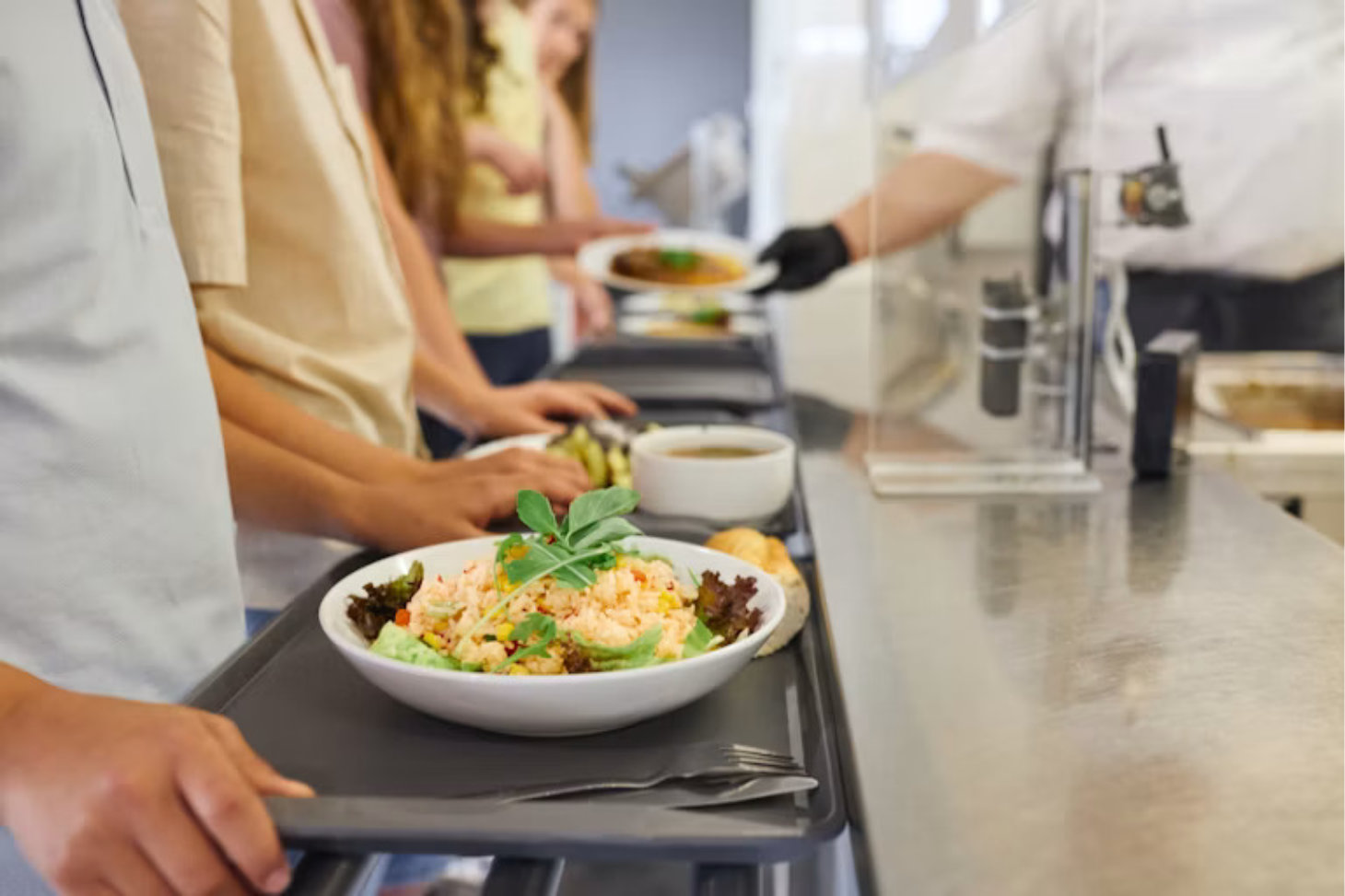
- Since May 2026, all students have been able to enjoy a one-euro meal at university dining halls.
- Beyond this measure, which addresses a social emergency, what solutions could help improve their diet in the long term?
- A participatory study conducted in Lyon provides some answers.
Since May 4, 2026, students have been able to purchase meals for one euro at all university dining halls in France. This measure, which was already in place for students receiving financial aid, has now been extended to all students to improve their purchasing power amid growing financial insecurity. Recent data confirm that food insecurity among students in France is worsening.
A 2023 survey conducted by the National Observatory on Student Life reveals that just over half of students (52%) report having enough of all the foods they want to eat, 13% say they do not have enough to eat, 22% report often skipping meals (mainly to save time, due to a lack of organization, and for financial reasons), and 9% have received food assistance.
The university can help students eat better, particularly by improving the variety of food available as well as the dining conditions for students. However, it cannot address all the challenges related to student nutrition on its own.
Food insecurity among students—which refers to difficulties in regularly accessing sufficient, high-quality food that meets their needs (primarily for financial reasons)—has become a major public health issue.
How can we improve students' diets?
To answer this question, we conducted a participatory research project in Lyon involving students and local partners.
Students’ eating habits reflect a wide variety of realities, yet they share one common thread: the disconnect between, on the one hand, their knowledge and intentions regarding nutrition, and, on the other hand, their actual eating behaviors. The goal of our study was therefore to develop viable, long-term solutions that would encourage students to choose a healthy and sustainable diet (one with minimal environmental impact).
Working Together to Shape the Food Transition for Students
We have implemented a collaborative approach to developing solutions (based on the principles of design thinking) by directly involving the target audience of students and the relevant stakeholders in the project.
The initial steps have shown that action is needed in three complementary areas to make it easier for students to access healthy and sustainable food:
- affordability (being able to buy food at an affordable price),
- physical accessibility (being able to easily find places to buy these foods)
- cognitive accessibility (having the information and knowledge needed to make informed food choices).
This finding is consistent with a field survey that revealed a discrepancy between the actual accessibility of food options (what is actually available and accessible) and how students perceive that accessibility.
Two pilot programs
Based on this initial finding, brainstorming sessions with students and project partners led to the identification of two areas of focus.
First, the implementation of a financial support program to reduce economic barriers and promote student independence. Developed in partnership with a local currency association, La Gonette, this program provides a monthly allowance equivalent to 50 euros per student, distributed in local currency, to be spent within the local food network.
In addition, awareness-raising and support initiatives have been implemented to enhance students’ knowledge and forge a direct link between them and producers. An awareness-raising program was developed in partnership with Agribio, an association of local organic producers: a conference and discussion on organic farming, farm tours, presentations by local producers, and cooking workshops.
Which measures actually work?
To assess the impact of these measures on students' attitudes and behaviors, a six-month experiment was conducted.
It shows that financial support is an effective tool for improving students’ eating habits in the medium term. Combined with awareness-raising efforts led by local stakeholders, it also helps foster a better understanding of issues related to health, the environment, and the origin of food.
Conversely, a program based solely on awareness-raising activities, without financial assistance, attracts very little participation from students. Yet these were the same types of activities (farm visits, cooking workshops, lectures on organic farming), which drew greater participation when offered with financial assistance. The fact that these activities were held off-campus and in the evening may also have discouraged participation. This finding underscores the importance of tailoring programs to students’ constraints and lifestyles in order to encourage their participation.
At a pivotal stage in their lives, when they are establishing their daily routines and gaining independence, many students are unable to maintain a balanced diet due to a lack of resources, with potential consequences for their health, well-being, and academic success. In the face of these challenges, solutions cannot be limited to emergency food aid; they must also provide sustainable access to high-quality food. Our findings highlight the importance of designing programs that combine practical support with educational initiatives to foster lasting change.
The study cited is the subject of an article to be published in *Décisions Marketing*, No. 125, January–March 2027.

Stéphanie Verfay, Associate Professor, COACTIS Laboratory, TrALIM Chair in Food Transitions, Lumière Lyon 2 University and Marie-Claire Wilhelm, Associate Professor at theUniversité Grenoble Alpes, Grenoble INP, CERAG, Co-Director of the Marketing for Society (M2S) Chair at Grenoble IAE, Grenoble IAE Graduate School of Management
This article is republished from The Conversation under a Creative Commons license. Read the original article.